
Stress and Anxiety Counselling in Vancouver: When Mindfulness Meets Nature in Therapy
Stress and anxiety have a way of pulling us out of ourselves. You might have experienced this before (I sure have!): Our thoughts racing miles ahead, our shoulders tensing up, and our stomach churning. We feel either overwhelmed by what is happening, or tempted to push it away just to survive the day. For some of us, this state of being has been a daily reality – and not a pleasant one.

How anxiety could show up. Credit: Uday Mittal.
Counselling support that is grounded in mindfulness offers another path: one that invites us to notice our experience with non-judgmental care and compassion, rather than becoming consumed by it or denying it altogether. In my experience, this ‘radical noticing’ that mindfulness-based counselling approach offers could often help soften the harder edges of our anxiety and slow down the lightning fast pace of our mind.
When such mindfulness-based approach to counselling is practiced in and with nature – in the form of nature-based counselling, for example – its effects are often deepened.
In my daily counselling practice, this could look like starting an outdoor, nature-based session with a mindful walk as grounding practice, or inviting the client to extend a soft gaze to the lush landscape ahead and find a nature metaphor that captures the strong emotion or stressor that is currently present.
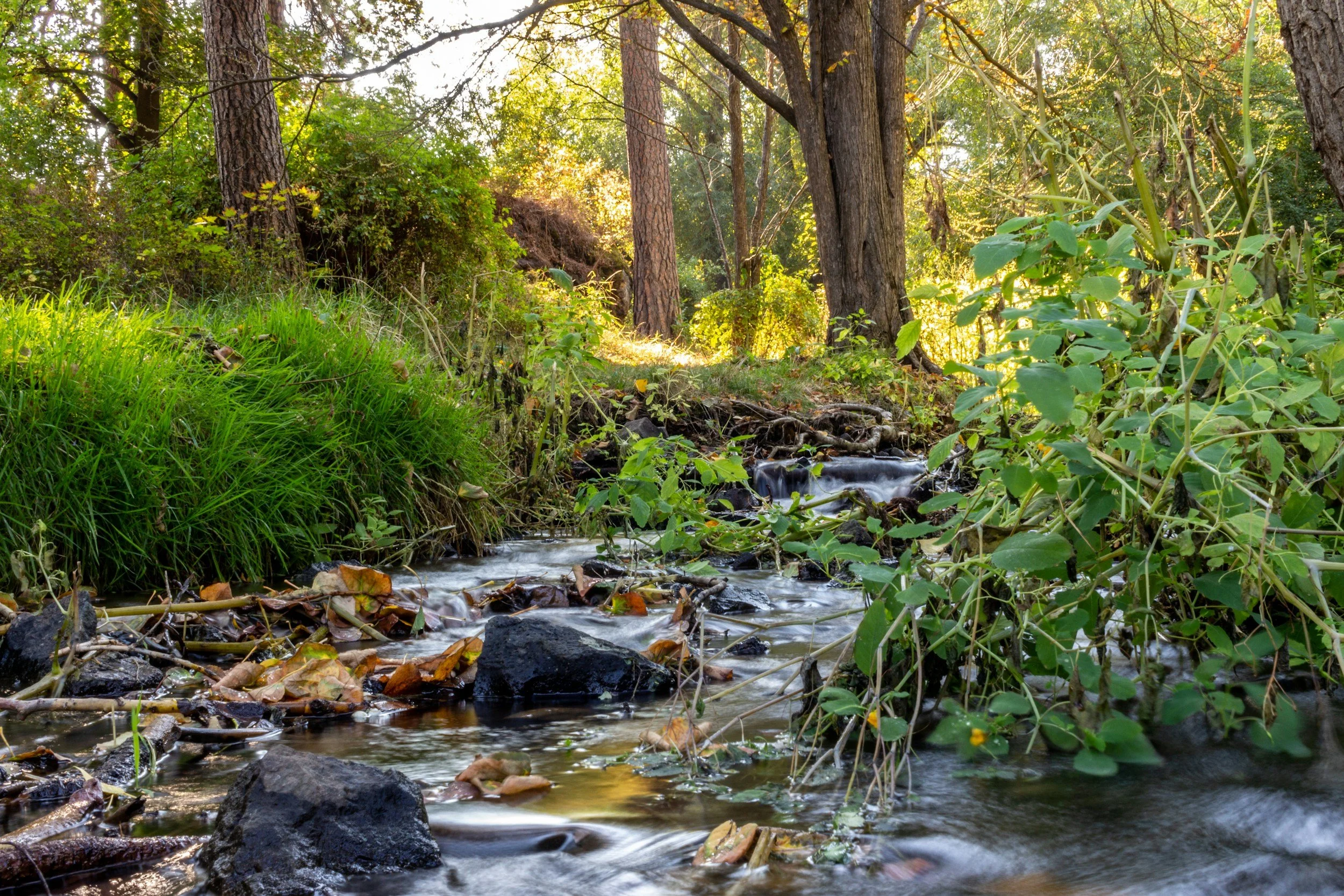
What nature metaphor best represents how you are feeling today? Credit: Unsplash.
Nature-based mindfulness gently engages the whole being –mind, body, senses, and nervous system – while also encouraging us to re-connect with a bigger being that is the more-than-human nature. Helping us come back into relationship with the present moment in a way that feels supportive rather than effortful.
At its heart, mindfulness is about learning to observe what is happening within us: thoughts, emotions, physical sensations. This observation is not about fixing or forcing change. Instead, it trains us to notice stress and anxiety as they arise, without being swept away by them. We learn to recognize, “Something stressful is here,” rather than “This stress is all of me.” That distinction can be profoundly relieving.
Nature naturally supports this process. The steady presence of trees, water, earth, and sky offers a grounding force that our nervous systems intuitively respond to. The rhythm of waves, the texture of bark, the feeling of feet on soil – these sensory experiences anchor us in the body and in the now. When we practice mindfulness outdoors, nature becomes an ally, helping to hold us as we observe difficult experiences with greater steadiness and compassion.
“The rhythm of waves, the texture of bark, the feeling of feet on soil – these sensory experiences anchor us in the body and in the now.”
Over time, this combination can soften the grip of stress and anxiety. Not because challenges disappear, but because our relationship to them changes. We become less reactive, less entangled, and more able to meet what arises with curiosity and kindness. Many people notice a growing sense of spaciousness—an ability to breathe, to pause, and to respond rather than react.
Nature-based mindfulness reminds us that we are not separate from the world around us. Just as weather passes through a landscape, stress and anxiety move through us. When we learn to observe these experiences, supported by nature’s quiet wisdom, we often find that they shift, ease, or make room for something gentler.
If stress or anxiety has been feeling heavy, you are not alone—and you do not have to push it away to heal. Sometimes, the most powerful step is simply to slow down, step outside, and allow yourself to notice what is here, held by the grounding presence of the natural world.
If you are interested in learning more about what Nature- and mindfulness-based counselling could look like, please reach out to book a free consultation.